

As a supplier of Olive Harvest Bags, I've been asked numerous times whether our bags can be used for large - scale olive harvesting. This is a crucial question for olive farmers and agricultural businesses looking to optimize their harvest operations. In this blog, I'll explore the feasibility, advantages, and limitations of using Olive Harvest Bags in large - scale olive harvesting.
Feasibility of Using Olive Harvest Bags for Large - Scale Harvesting
When it comes to large - scale olive harvesting, efficiency and cost - effectiveness are key factors. Olive Harvest Bags are designed to be lightweight, easy to handle, and durable. These features make them potentially suitable for large - scale operations.
One of the main advantages of using Olive Harvest Bags is their portability. They can be easily carried around the olive grove, allowing workers to quickly collect olives without the need for heavy and cumbersome equipment. This portability is especially important in large groves where mobility is essential.
In addition, Olive Harvest Bags are available in various sizes and capacities. For large - scale harvesting, farmers can choose larger bags that can hold a significant amount of olives. This reduces the frequency of emptying the bags, saving time and labor during the harvest.
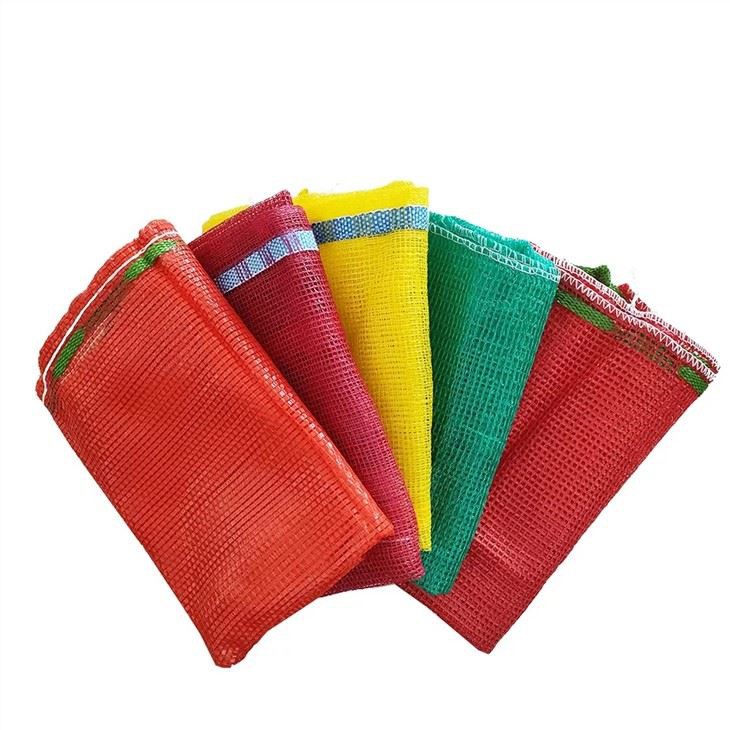
Another aspect to consider is the material of the Olive Harvest Bags. Most of our bags are made from high - quality, breathable materials. This is important because it allows the olives to breathe, reducing the risk of spoilage during storage and transportation. For large - scale operations, minimizing spoilage is crucial to ensure a high - quality yield.
Advantages of Olive Harvest Bags in Large - Scale Harvesting
1. Cost - Efficiency
Compared to some other harvesting equipment, Olive Harvest Bags are relatively inexpensive. For large - scale farmers, this can result in significant cost savings. Instead of investing in expensive mechanical harvesters or large - scale collection systems, farmers can purchase a large number of Olive Harvest Bags at a fraction of the cost.
2. Flexibility
Olive Harvest Bags offer great flexibility in harvesting. They can be used in different types of olive groves, whether they are on flat land or hilly terrain. Workers can easily move around the trees, adjusting the bags to collect olives from different heights and angles. This flexibility is difficult to achieve with some mechanical harvesting methods.
3. Gentle on Olives
Our Olive Harvest Bags are designed to be gentle on the olives. The soft material of the bags reduces the risk of bruising the olives during collection. This is important because bruised olives can lead to lower - quality oil and a shorter shelf - life. In large - scale harvesting, maintaining the quality of the olives is essential for a profitable harvest.
4. Ease of Use
Even workers with limited experience can quickly learn how to use Olive Harvest Bags. This reduces the need for extensive training, which is beneficial for large - scale operations where a large workforce may be involved.

Limitations of Olive Harvest Bags in Large - Scale Harvesting
1. Labor - Intensive
One of the main limitations of using Olive Harvest Bags for large - scale harvesting is that it is a labor - intensive process. Workers need to manually collect the olives and fill the bags. This can be time - consuming, especially in large groves with a high volume of olives. In comparison, mechanical harvesters can cover a larger area in a shorter time.
2. Capacity Constraints
Although larger Olive Harvest Bags are available, there are still limits to how much olives they can hold. In very large - scale operations, the need to frequently empty the bags can slow down the harvesting process.
3. Weather Dependence
Harvesting with Olive Harvest Bags is more weather - dependent compared to some mechanical methods. In rainy or windy conditions, it can be more difficult for workers to collect olives effectively using the bags.
Complementary Products for Large - Scale Harvesting
To overcome some of the limitations of Olive Harvest Bags in large - scale harvesting, we also offer complementary products. For example, our Mesh Produce Bag With Drawstring can be used for smaller - scale collection or for sorting olives. These bags are made from a fine mesh material that allows for better ventilation and can be easily closed with a drawstring.
Our PP Plain Leno Bag is another option. These bags are made from polypropylene, which is strong and durable. They are suitable for transporting large quantities of olives from the grove to the processing facility.
The Agricultural Raschel Bags For Packing Produce are also a great addition. These bags are designed specifically for agricultural products and can be used for long - term storage of olives.
Conclusion
In conclusion, Olive Harvest Bags can be a viable option for large - scale olive harvesting. They offer several advantages such as cost - efficiency, flexibility, and being gentle on olives. However, they also have some limitations, including being labor - intensive and having capacity constraints.
By combining Olive Harvest Bags with our complementary products, farmers can optimize their large - scale harvesting operations. If you are an olive farmer or involved in the olive industry and are interested in learning more about our products, we encourage you to contact us for a detailed discussion. We can provide you with customized solutions based on your specific needs and the scale of your operation. Let's work together to achieve a successful and profitable olive harvest.
References
- Smith, J. (2018). "Agricultural Harvesting Equipment: A Comparative Analysis". Journal of Agricultural Technology, 25(3), 123 - 135.
- Brown, A. (2019). "The Impact of Harvesting Methods on Olive Quality". International Journal of Olive Research, 12(2), 45 - 52.
- Green, C. (2020). "Cost - Benefit Analysis of Different Olive Harvesting Techniques". Agricultural Economics Review, 30(1), 78 - 89.


