

Hey there! As a supplier of PP Plain Leno Bags, I often get asked whether these bags can be used to pack vegetables. Well, let's dive right into it and find out.
First off, what exactly are PP Plain Leno Bags? These bags are made from polypropylene (PP), a type of plastic that's known for its durability, strength, and resistance to moisture. The leno weave gives the bags a mesh - like structure, which has several benefits when it comes to packing vegetables.
One of the biggest advantages of using PP Plain Leno Bags for vegetable packing is ventilation. Vegetables need to breathe. They produce ethylene gas as they ripen, and if this gas gets trapped, it can cause the vegetables to spoil faster. The mesh design of the PP Plain Leno Bag allows for proper air circulation. This means that the ethylene gas can escape, and fresh air can enter the bag, helping to keep the vegetables fresh for a longer period.

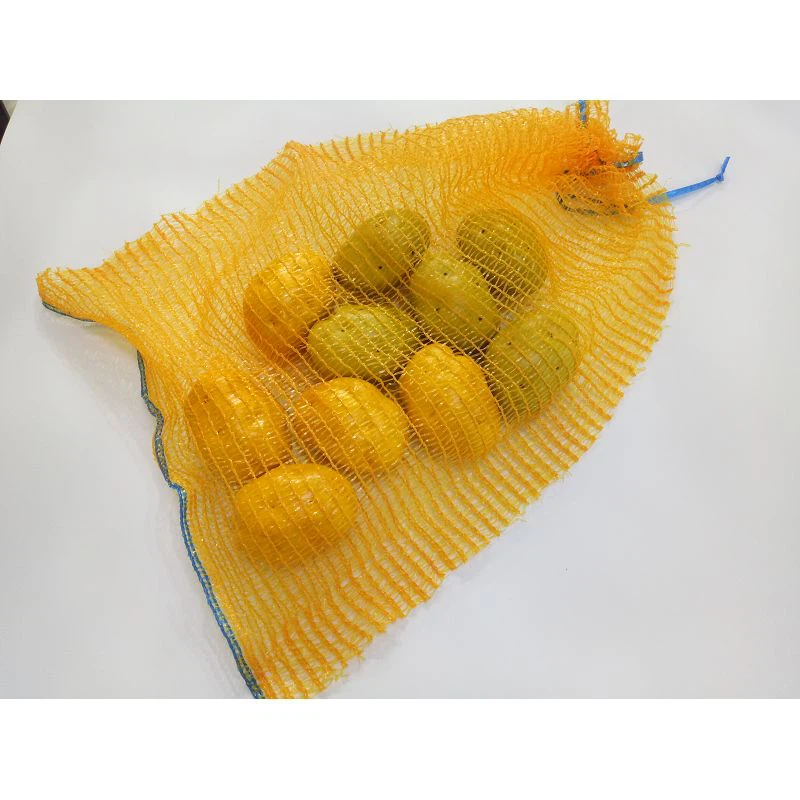
Take onions, for example. Onions are prone to mold and rot if they're stored in a non - ventilated environment. A Mesh Onion Bag With Label Brand made from PP plain leno is perfect for them. The mesh allows any excess moisture to evaporate, preventing the growth of mold. And because onions can be a bit bulky, the flexibility of the leno bag makes it easy to pack them without worrying about the bag tearing.
Another great thing about PP Plain Leno Bags is their strength. Vegetables can be heavy, especially when you're packing a large quantity. These bags can handle the weight without breaking. Whether you're packing potatoes, carrots, or even cabbages, the sturdy polypropylene material ensures that the bag remains intact during handling and transportation.
Let's talk about cost - effectiveness. As a supplier, I know that cost is a major concern for farmers and distributors. PP Plain Leno Bags are relatively inexpensive to produce, which means they can offer a cost - efficient solution for vegetable packing. You don't have to break the bank to get high - quality packaging for your produce.
Now, let's consider the environmental aspect. While polypropylene is a plastic, it's recyclable. This is a big plus in today's environmentally conscious world. By using PP Plain Leno Bags, you're not only getting a practical packing solution but also contributing to a more sustainable future. You can collect the used bags and send them for recycling, reducing the amount of plastic waste that ends up in landfills.
In terms of versatility, these bags come in various sizes and shapes. You can choose a small bag for packing individual bunches of herbs or a large Heavy - duty Agricultural Mesh Produce Bag for packing bulk vegetables. This flexibility makes them suitable for different types of vegetable packing needs.
However, there are a few things to keep in mind. If you're packing very delicate vegetables, like strawberries or raspberries, you might need to be a bit more careful. The mesh can cause some abrasion, which could damage these soft fruits. In such cases, you might want to use a liner inside the bag or consider a different type of packaging.
Also, make sure to clean the bags regularly if you're reusing them. Even though they're durable, dirt and bacteria can build up over time, which could potentially contaminate the vegetables. A simple wash with mild soap and water should do the trick.
In conclusion, PP Plain Leno Bags can definitely be used to pack vegetables. They offer excellent ventilation, strength, cost - effectiveness, and recyclability. With the right care and selection, they can be a great choice for your vegetable packing needs.
If you're in the market for high - quality PP Plain Leno Bags for your vegetable packing, I'd love to have a chat with you. Whether you're a small - scale farmer or a large - scale distributor, I can provide you with the right products at competitive prices. Let's work together to ensure your vegetables are packed in the best way possible.
References
- Plastic Packaging Association, "Benefits of Polypropylene in Packaging"
- Agricultural Packaging Research Institute, "Ventilation in Vegetable Packaging"


