

Do PP woven bags have a long shelf - life?
As a supplier of PP woven bags, I often get asked about the shelf - life of these versatile products. PP woven bags, made from polypropylene, are widely used in various industries for packaging different types of goods, including pet food, animal feed, and seeds. In this blog, I'll delve into the factors that affect the shelf - life of PP woven bags and explore whether they can truly offer a long - term storage solution.
Understanding PP Woven Bags
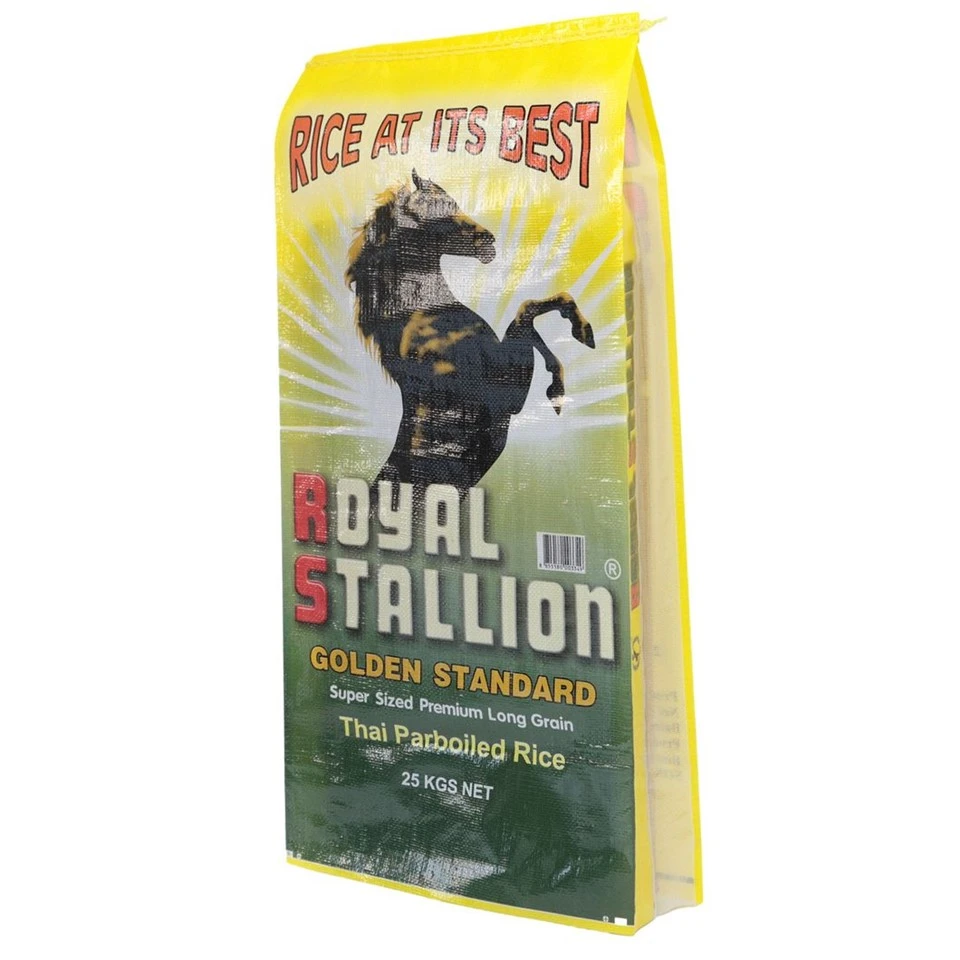
PP woven bags are created by weaving polypropylene tapes together. Polypropylene is a thermoplastic polymer known for its excellent chemical resistance, high strength - to - weight ratio, and relatively low cost. These properties make PP woven bags a popular choice for packaging. They can be found in a variety of forms, such as plain woven bags, laminated bags, and customized sacks.
For example, Heavy Duty Laminated Poly Bags For Pet Food are designed to protect pet food from moisture, oxygen, and pests. The lamination adds an extra layer of protection, enhancing the bag's durability and shelf - life. Similarly, Woven Polypropylene Sacks For Animal Feed are used to store and transport animal feed safely, and Customized BOPP Laminated Sacks For Seeds are tailored to meet the specific requirements of seed storage.
Factors Affecting Shelf - Life
1. Environmental Conditions
One of the most significant factors influencing the shelf - life of PP woven bags is the environment in which they are stored. Exposure to sunlight, especially ultraviolet (UV) rays, can cause the polypropylene to degrade over time. UV radiation breaks down the chemical bonds in the polymer, leading to a loss of strength and color fading. If the bags are stored outdoors or in areas with direct sunlight, their shelf - life can be significantly reduced.
Temperature and humidity also play crucial roles. High temperatures can cause the polypropylene to soften and become more prone to damage. In contrast, extremely low temperatures can make the bags brittle. High humidity levels can introduce moisture into the bags, which may lead to the growth of mold and mildew, especially if the contents are organic materials like pet food or seeds.
2. Chemical Exposure
PP woven bags have good chemical resistance, but certain chemicals can still affect their integrity. For instance, prolonged contact with strong acids, alkalis, or solvents can cause the polypropylene to swell, dissolve, or become brittle. If the bags are used to package chemicals or are stored in an environment where they are exposed to chemical fumes, their shelf - life will be negatively impacted.
3. Handling and Storage
Proper handling and storage are essential for maximizing the shelf - life of PP woven bags. Rough handling during transportation, such as dropping or dragging the bags, can cause physical damage, including tears and punctures. When storing the bags, they should be stacked in a stable manner to prevent crushing. Over - stacking can lead to deformation and stress on the lower bags, reducing their strength and durability.
How to Extend the Shelf - Life of PP Woven Bags
1. UV Protection
To protect PP woven bags from UV radiation, manufacturers can add UV stabilizers during the production process. These stabilizers absorb or reflect UV rays, reducing the damage caused by sunlight. Additionally, storing the bags in shaded areas or using UV - resistant covers can further enhance their protection.
2. Temperature and Humidity Control
Storing the bags in a controlled environment is ideal. This can involve using warehouses with temperature and humidity control systems. If this is not possible, at least try to store the bags in a dry, well - ventilated area away from extreme temperature fluctuations.
3. Proper Packaging Design
The design of the PP woven bags can also contribute to their shelf - life. For example, using laminated bags provides an extra barrier against moisture and oxygen. Adding zippers or resealable closures can help maintain the freshness of the contents and reduce the risk of contamination.
The Shelf - Life Expectancy
Under optimal conditions, PP woven bags can have a relatively long shelf - life. If stored in a cool, dry, and dark place, away from chemicals and physical damage, these bags can last for several years. However, if the environmental conditions are poor, the shelf - life can be reduced to a few months or even weeks.
For example, plain PP woven bags without any special treatments may have a shelf - life of about 1 - 2 years under normal storage conditions. Laminated bags, on the other hand, can last up to 5 years or more due to the added protection provided by the lamination.

Conclusion
In conclusion, PP woven bags can have a long shelf - life if they are properly manufactured, stored, and handled. While environmental factors, chemical exposure, and handling can all affect their durability, taking appropriate measures such as UV protection, temperature and humidity control, and proper packaging design can significantly extend their useful life.
If you are in the market for high - quality PP woven bags for your pet food, animal feed, or seed packaging needs, we are here to help. Our range of products, including Heavy Duty Laminated Poly Bags For Pet Food, Woven Polypropylene Sacks For Animal Feed, and Customized BOPP Laminated Sacks For Seeds, are designed to meet your specific requirements and offer long - term storage solutions.
If you are interested in learning more about our products or would like to discuss your packaging needs, please feel free to contact us for a detailed discussion and potential procurement. We look forward to serving you and helping you find the best PP woven bag solutions for your business.
References
- "Polypropylene: Properties, Processing, and Applications" by X. Huang and B. Zheng
- "Packaging Technology and Science" journal articles on plastic packaging materials
- Industry reports on the use and durability of PP woven bags in different sectors.


