

Hey there! As a supplier of PE Raschel Bags, I often get asked how these bags stack up against jute bags. So, I thought I'd dive into this topic and share some insights based on my experience in the industry.
Material and Manufacturing
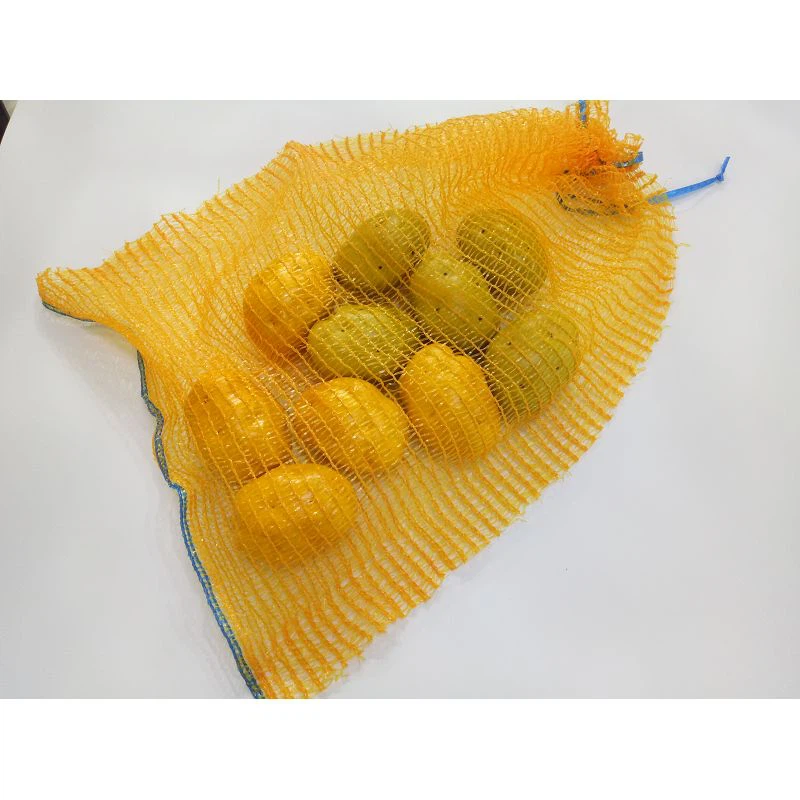
Let's start with the materials. PE Raschel Bags are made from polyethylene, a synthetic plastic polymer. The manufacturing process involves a Raschel knitting technique, which creates a strong, mesh - like structure. This process allows for a high degree of customization in terms of size, mesh density, and color.
On the other hand, jute bags are made from natural jute fibers, which are derived from the jute plant. Jute is known for its long, soft, and shiny fibers. The bags are typically woven, either by hand or using machinery. The weaving process gives jute bags their characteristic rough texture.
The difference in materials and manufacturing processes leads to some distinct features. PE Raschel Bags are generally more uniform in their appearance and strength. The synthetic nature of polyethylene means that the bags can be produced with consistent quality, regardless of external factors like weather conditions.
Jute bags, however, have a more rustic and natural look. The natural fibers can vary in color and texture, giving each bag a unique appearance. But this also means that there can be some variability in strength and quality from one bag to another.
Strength and Durability
When it comes to strength, PE Raschel Bags have a clear edge. The Raschel knitting creates a very strong structure that can withstand a lot of wear and tear. These bags are often used for heavy - duty applications, like carrying agricultural produce or firewood. For example, our Heavy - duty Agricultural Mesh Produce Bag is designed to hold large quantities of fruits and vegetables without tearing or breaking.
Jute bags, while strong in their own right, are not as durable as PE Raschel Bags. The natural fibers can be more prone to damage from moisture, pests, and rough handling. Over time, jute bags may start to fray or lose their shape, especially if they are used frequently or for heavy loads.
In terms of resistance to environmental factors, PE Raschel Bags are also superior. Polyethylene is resistant to water, so these bags can be used in wet conditions without getting damaged. They are also less likely to be affected by pests or mold. Jute bags, on the other hand, can absorb moisture, which can lead to mold growth and weakening of the fibers.
Cost - effectiveness
Cost is always an important factor when choosing a bag. PE Raschel Bags are generally more cost - effective in the long run. While the initial cost of purchasing these bags may be slightly higher than jute bags, their durability means that they last longer. You won't have to replace them as often, which can save you money over time.
Jute bags are usually cheaper upfront, but their shorter lifespan means that you may need to buy new bags more frequently. This can add up to a higher overall cost, especially if you have a large - scale operation that requires a constant supply of bags.
Environmental Impact
This is a hot topic these days, and both types of bags have their pros and cons. PE Raschel Bags are made from plastic, which is not biodegradable. However, many modern PE Raschel Bags are recyclable, and some manufacturers are working on developing more sustainable versions of these bags.

Jute is a natural and biodegradable material, which makes jute bags a more environmentally friendly option in terms of end - of - life disposal. Jute is also a renewable resource, as the jute plant can be harvested and replanted. However, the production of jute bags can have a significant environmental impact, especially in terms of water usage and the use of pesticides and fertilizers in jute farming.
Versatility
PE Raschel Bags are incredibly versatile. They come in a wide range of sizes and mesh densities, which makes them suitable for a variety of applications. You can use them for packaging agricultural products, storing firewood (like our Firewood Leno Bag), or even for industrial purposes. The bags can also be printed with logos or labels, making them a great option for branding.
Jute bags are also quite versatile, but they are more commonly used for retail and fashion purposes. They are often used as shopping bags or for packaging handicrafts and gifts. Jute bags have a more aesthetic appeal, which makes them popular for these types of applications.
Aesthetics
As I mentioned earlier, jute bags have a more natural and rustic look, which many people find appealing. They are often used in the fashion and retail industry because of their unique appearance. Jute bags can be decorated with embroidery, printing, or other embellishments to make them even more attractive.
PE Raschel Bags, on the other hand, have a more modern and industrial look. While they may not be as visually appealing as jute bags in some cases, they can be customized with different colors and prints to make them more suitable for branding or marketing purposes. For example, our PP Plain Leno Bag can be printed with your company logo to create a professional and eye - catching look.
Conclusion
So, which type of bag is right for you? It really depends on your specific needs. If you need a strong, durable, and cost - effective bag for heavy - duty applications, then PE Raschel Bags are the way to go. They offer superior strength, resistance to environmental factors, and long - term cost savings.
If you are more concerned about the environmental impact and the aesthetic appeal of the bag, especially for retail or fashion purposes, then jute bags may be a better choice. They have a natural and unique look that can add a touch of charm to your products.
As a supplier of PE Raschel Bags, I'm always happy to help you find the right bag for your needs. If you're interested in learning more about our products or would like to discuss a potential purchase, don't hesitate to get in touch. We can provide you with samples, pricing information, and any other details you need to make an informed decision.
References
- "Plastic Packaging: Properties, Processing, Applications, and Regulations" by Vikas Mittal
- "Jute: Cultivation, Processing, and Applications" by B. K. Das


