

As a supplier of PP Plain Leno Bags, I often get asked about the biodegradability of these products. It's a crucial question in today's environmentally - conscious world, where consumers and businesses alike are increasingly concerned about the ecological impact of the items they use. In this blog, I'll delve into the topic of how long it takes for a PP Plain Leno Bag to biodegrade, exploring the factors involved and what it means for our customers.
Understanding PP Plain Leno Bags
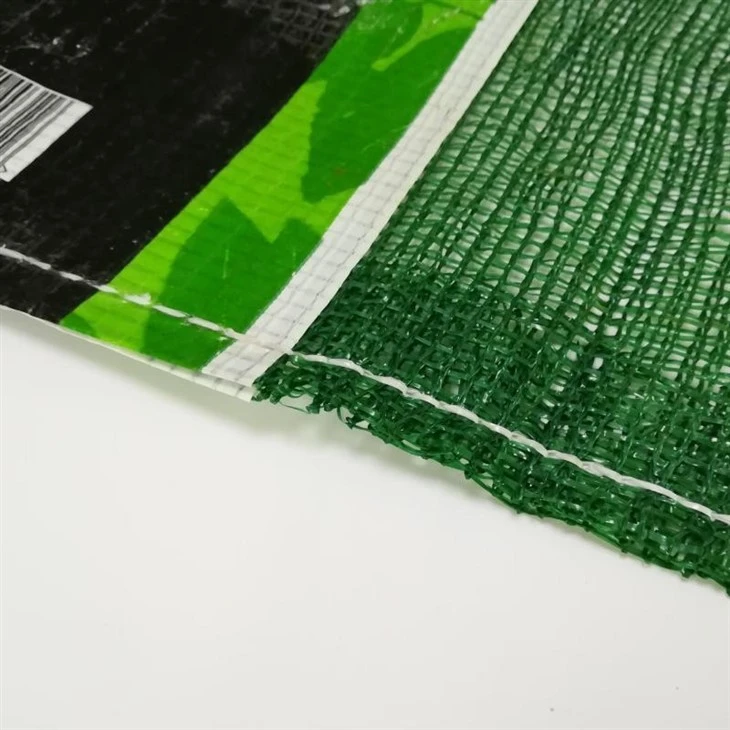
PP, or polypropylene, is a widely used thermoplastic polymer known for its durability, flexibility, and resistance to moisture. PP Plain Leno Bags are made from polypropylene filaments woven in a leno weave pattern, which gives them a mesh - like structure. These bags are incredibly versatile and are used in a variety of industries. For instance, they are popular as Firewood Leno Bag due to their strength and ability to allow air circulation, preventing the firewood from getting damp. They are also commonly used as Olive Harvesting Sack, as the mesh design allows the olives to breathe and reduces the risk of spoilage.
The Biodegradation Process
Biodegradation is the process by which organic substances are broken down by living organisms such as bacteria, fungi, and other microorganisms. For a material to biodegrade, it must be able to be metabolized by these organisms into simpler compounds like water, carbon dioxide, and biomass.
Polypropylene, the main component of PP Plain Leno Bags, is a synthetic polymer. Unlike natural materials such as paper or cotton, polypropylene is not easily recognized as a food source by microorganisms. This is because the long - chain structure of polypropylene is highly stable and resistant to the enzymes that microorganisms use to break down substances.
Factors Affecting the Biodegradation of PP Plain Leno Bags
Chemical Structure
The chemical bonds in polypropylene are very strong. Carbon - carbon and carbon - hydrogen bonds in the polymer chain are not easily broken under normal environmental conditions. Microorganisms typically break down materials through enzymatic reactions, and the enzymes they produce are not well - suited to break these strong bonds in polypropylene. As a result, the natural biodegradation of polypropylene is an extremely slow process.
Environmental Conditions
The environment in which the PP Plain Leno Bag is placed plays a significant role in its biodegradation. In a landfill, where the conditions are often anaerobic (lacking oxygen), the degradation process is even slower. Landfills are designed to compact waste and limit the access of air and water, which are essential for the growth and activity of many biodegradative microorganisms.
On the other hand, in an aerobic environment with plenty of oxygen, moisture, and the presence of appropriate microorganisms, there is a slightly higher chance of degradation. However, even in the most favorable aerobic conditions, such as in a composting facility with high - temperature and high - humidity conditions, the degradation of polypropylene is still very slow.
Additives
Some manufacturers may add certain additives to polypropylene to enhance its biodegradability. These additives are designed to make the polymer more susceptible to the action of microorganisms. For example, pro - oxidant additives can accelerate the oxidation of polypropylene in the presence of oxygen, leading to the breakdown of the polymer chain into smaller fragments that can be more easily metabolized by microorganisms. However, the effectiveness of these additives can vary, and they do not necessarily guarantee rapid biodegradation.
How Long Does It Take?
Estimating the exact time it takes for a PP Plain Leno Bag to biodegrade is extremely challenging due to the many variables involved. Under normal environmental conditions, it is estimated that a PP Plain Leno Bag can take anywhere from 20 to 200 years to biodegrade.
In a landfill, where the conditions are less than ideal for biodegradation, the bag may remain intact for several decades. The lack of oxygen, limited access to water, and low microbial activity all contribute to the slow breakdown of the polypropylene.
In a more favorable aerobic environment, such as a well - managed industrial composting facility, the degradation process may be somewhat faster. However, even in these conditions, it can still take many years for the bag to completely biodegrade. Some studies suggest that with the use of certain biodegradable additives, the degradation time might be reduced to a few years, but this is still a relatively long period compared to natural materials.
Environmental Implications
The long - term persistence of PP Plain Leno Bags in the environment has several implications. Firstly, it contributes to the growing problem of plastic pollution. As these bags accumulate in landfills, oceans, and other natural habitats, they can have a negative impact on wildlife. Animals may mistake the bags for food, leading to ingestion and potential harm.
Secondly, the production of polypropylene requires significant amounts of fossil fuels. The long - lasting nature of PP Plain Leno Bags means that the resources used in their production are effectively locked up for a long time, rather than being recycled or reused in a more sustainable way.
Our Commitment as a Supplier
As a supplier of PP Plain Leno Bag, we are aware of the environmental concerns associated with our products. We are constantly exploring ways to make our bags more sustainable. This includes researching and using biodegradable additives in our manufacturing process to reduce the time it takes for the bags to break down.
We also encourage our customers to recycle the bags whenever possible. Many recycling facilities can process polypropylene, and by recycling the bags, we can reduce the demand for new raw materials and decrease the environmental impact.
Contact Us for Sustainable Solutions
If you're in the market for PP Plain Leno Bags, we invite you to contact us. We can provide you with detailed information about our products, including the options for more environmentally - friendly bags. Whether you need Firewood Leno Bag or Olive Harvesting Sack, we're here to offer you high - quality solutions that meet your needs while also considering the long - term health of our planet.

References
- "Plastic Degradation and its Environmental Impact" by environmental research group.
- "Biodegradation of Synthetic Polymers" in a peer - reviewed polymer science journal.
- Industry reports on the use and disposal of polypropylene products.


