

Hey there! As a supplier of PP strapping, I'm super excited to share with you how to apply PP strapping to packages. PP strapping, short for polypropylene strapping, is a popular choice for packaging due to its affordability, flexibility, and lightweight nature. Whether you're shipping small parcels or large pallets, PP strapping can help secure your packages and ensure they reach their destination safely.
Understanding PP Strapping
Before we dive into the application process, let's take a quick look at what PP strapping is and why it's so great. PP strapping is made from polypropylene, a thermoplastic polymer that's known for its strength and durability. It comes in various widths and thicknesses, allowing you to choose the right strapping for your specific packaging needs.
One of the main advantages of PP strapping is its cost-effectiveness. It's much cheaper than other types of strapping, such as steel or polyester, making it a great option for businesses on a budget. PP strapping is also lightweight, which means it won't add much extra weight to your packages. This can help reduce shipping costs, especially if you're shipping a large volume of goods.
Another benefit of PP strapping is its flexibility. It can be easily bent and shaped to fit around irregularly shaped packages, making it a versatile choice for a wide range of applications. PP strapping is also resistant to moisture, chemicals, and UV rays, which means it can withstand harsh environmental conditions without deteriorating.
Choosing the Right PP Strapping
Now that you understand the benefits of PP strapping, it's time to choose the right type of strapping for your packages. There are several factors to consider when selecting PP strapping, including the width, thickness, and tension strength.
- Width: The width of the strapping will depend on the size and weight of your packages. For small packages, a narrower strapping (e.g., 6mm or 9mm) may be sufficient. For larger packages or pallets, a wider strapping (e.g., 12mm or 15mm) may be required.
- Thickness: The thickness of the strapping will affect its strength and durability. Thicker strapping (e.g., 0.5mm or 0.6mm) is generally stronger and more resistant to breakage than thinner strapping (e.g., 0.3mm or 0.4mm). However, thicker strapping may also be more expensive and less flexible.
- Tension Strength: The tension strength of the strapping refers to the amount of force it can withstand before breaking. The tension strength you need will depend on the weight and stability of your packages. For lightweight packages, a lower tension strength (e.g., 500N or 1000N) may be sufficient. For heavier packages or pallets, a higher tension strength (e.g., 1500N or 2000N) may be required.
In addition to these factors, you may also want to consider the color and print options of the strapping. Some PP strapping comes in different colors, which can be useful for color-coding your packages or adding a decorative touch. You can also have your company logo or other information printed on the strapping, which can help increase brand visibility and promote your business.
Tools and Equipment Needed
To apply PP strapping to your packages, you'll need a few tools and equipment. Here's a list of the basic tools you'll need:
- Strapping Dispenser: A strapping dispenser is used to hold the roll of PP strapping and dispense it as needed. There are several types of strapping dispensers available, including handheld dispensers, tabletop dispensers, and floor-mounted dispensers. Choose a dispenser that's suitable for the size and type of strapping you're using.
- Strapping Tensioner: A strapping tensioner is used to tighten the strapping around your packages. There are two main types of strapping tensioners: manual tensioners and battery-powered tensioners. Manual tensioners are operated by hand and are suitable for small to medium-sized packages. Battery-powered tensioners are more powerful and can be used for larger packages or pallets.
- Sealing Tool: A sealing tool is used to seal the ends of the strapping together. There are several types of sealing tools available, including friction welders, buckle sealers, and notch sealers. Choose a sealing tool that's compatible with the type of strapping you're using.
In addition to these basic tools, you may also need a cutter to cut the strapping to the desired length. You can use a pair of scissors or a strapping cutter for this purpose.
Applying PP Strapping to Packages
Now that you have the right tools and equipment, it's time to apply the PP strapping to your packages. Here's a step-by-step guide on how to do it:
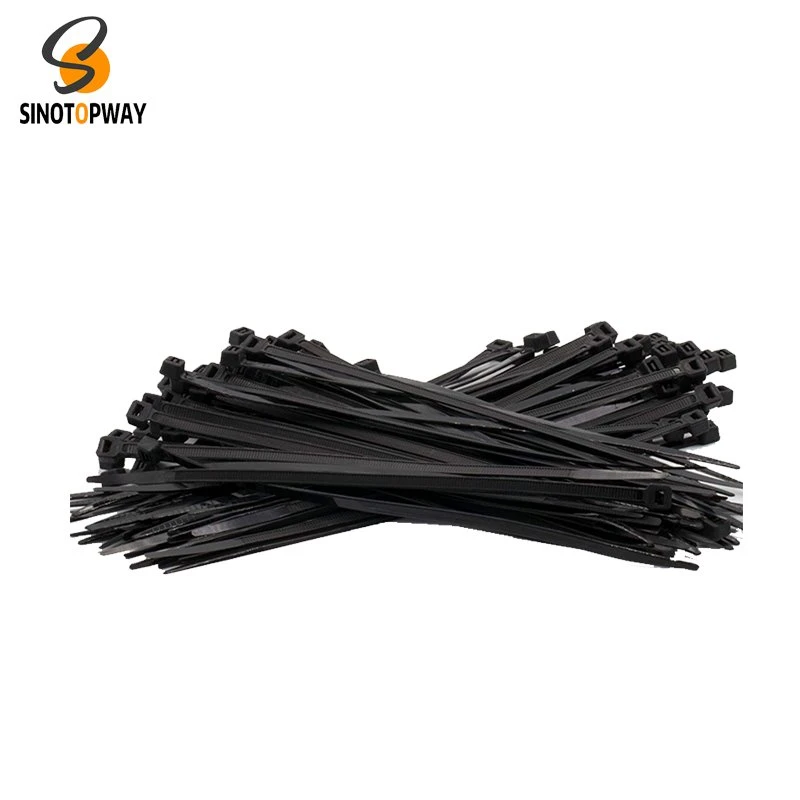

- Prepare the Package: Before applying the strapping, make sure the package is clean, dry, and free of any debris or sharp edges. If necessary, use a piece of cardboard or other protective material to cover any sharp edges that could damage the strapping.
- Load the Strapping Dispenser: Load the roll of PP strapping onto the strapping dispenser. Make sure the strapping is fed through the dispenser correctly and that the end of the strapping is accessible.
- Wrap the Strapping Around the Package: Take the end of the strapping and wrap it around the package in the desired direction. Make sure the strapping is tight and secure, but not too tight that it damages the package.
- Tighten the Strapping: Use the strapping tensioner to tighten the strapping around the package. Pull the tensioner handle firmly to increase the tension until the strapping is tight enough to hold the package securely.
- Seal the Strapping: Once the strapping is tightened, use the sealing tool to seal the ends of the strapping together. Follow the instructions provided with the sealing tool to ensure a proper seal.
- Cut the Strapping: Use the cutter to cut the strapping to the desired length. Leave a small amount of excess strapping on the end to ensure a secure seal.
- Repeat the Process: If necessary, repeat the process to apply additional strapping to the package. You may want to use multiple straps to provide extra support and stability.
Tips and Tricks
Here are some tips and tricks to help you apply PP strapping to your packages more effectively:
- Use the Right Tension: Make sure you use the right amount of tension when applying the strapping. Too much tension can damage the package or cause the strapping to break, while too little tension can result in a loose and insecure strap.
- Align the Strapping: Make sure the strapping is aligned properly before tightening it. This will help ensure a uniform and secure strap.
- Use a Protective Layer: If you're applying the strapping to a package with sharp edges, use a piece of cardboard or other protective material to cover the edges. This will help prevent the strapping from being damaged.
- Inspect the Strapping: Before shipping the package, inspect the strapping to make sure it's tight and secure. If you notice any loose or damaged straps, replace them immediately.
- Store the Strapping Properly: When not in use, store the PP strapping in a cool, dry place. Avoid exposing the strapping to direct sunlight or extreme temperatures, as this can cause it to deteriorate.
Other Strapping Options
While PP strapping is a popular choice for packaging, there are other types of strapping available that may be more suitable for certain applications. Here are some other strapping options to consider:
- Stainless 304/316 Cable Ties: Stainless steel cable ties are strong, durable, and resistant to corrosion. They're commonly used in applications where high strength and reliability are required, such as in the automotive, aerospace, and construction industries.
- Nylon 66 Heavy Duty Self Locking Cable Tie: Nylon cable ties are lightweight, flexible, and easy to use. They're commonly used in applications where a secure and reliable fastening is required, such as in the electronics, telecommunications, and automotive industries.
- Zinc Coated Steel Strapping: Zinc coated steel strapping is strong, durable, and resistant to corrosion. It's commonly used in applications where high strength and reliability are required, such as in the shipping, logistics, and construction industries.
Conclusion
Applying PP strapping to packages is a simple and effective way to secure your goods and ensure they reach their destination safely. By choosing the right type of strapping, using the right tools and equipment, and following the proper application techniques, you can ensure a tight and secure strap every time.
If you have any questions or need further assistance with applying PP strapping to your packages, please don't hesitate to contact us. We're a leading supplier of PP strapping and other packaging materials, and we're always happy to help our customers find the right solutions for their needs.
References
- Packaging Machinery Manufacturers Institute. (n.d.). Strapping Basics. Retrieved from https://www.pmmi.org/strapping-basics
- Polychem. (n.d.). PP Strapping: A Comprehensive Guide. Retrieved from https://www.polychem.com/pp-strapping-a-comprehensive-guide
- Signode Industrial Group. (n.d.). Strapping Application Guide. Retrieved from https://www.signode.com/strapping-application-guide


