

Hey there! As a supplier of PP woven fabric, I often get asked a bunch of questions. One that pops up quite a bit is, "Is PP woven fabric resistant to chemicals?" Well, let's dig into this topic and find out.
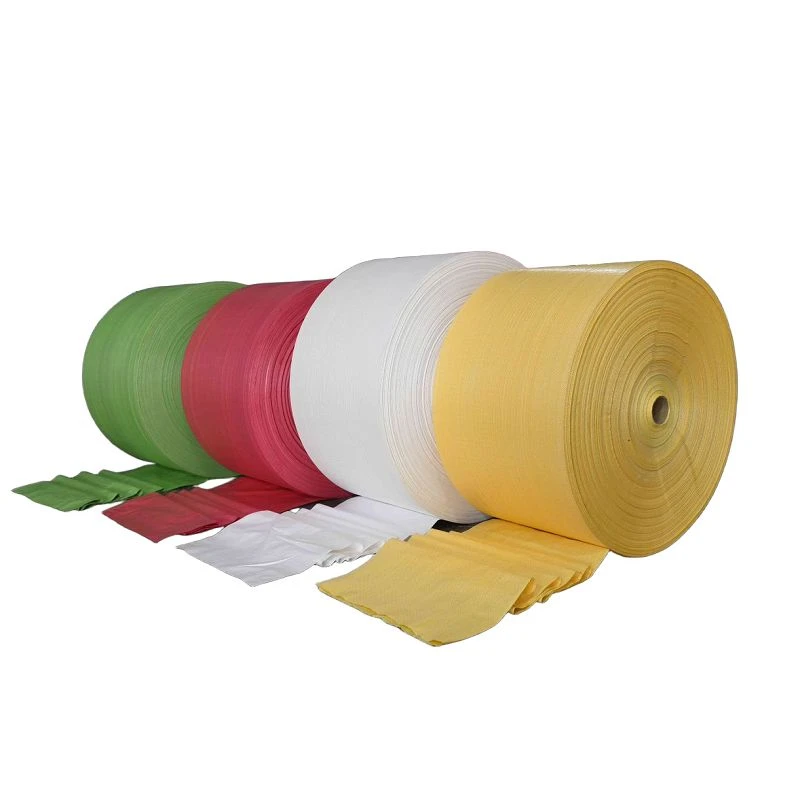
First off, let's understand what PP woven fabric is. PP stands for polypropylene, which is a type of thermoplastic polymer. PP woven fabric is made by weaving polypropylene tapes or threads together. It's known for being lightweight, strong, and durable. You can find it in all sorts of applications, from packaging materials to agricultural covers.
Now, let's talk about chemical resistance. Chemical resistance refers to a material's ability to withstand the effects of various chemicals without significant damage or degradation. When it comes to PP woven fabric, it generally has a pretty good level of chemical resistance, but it's not a one - size - fits - all situation.
Resistance to Common Chemicals
PP woven fabric is resistant to many non - polar solvents. These include things like hydrocarbons such as gasoline, diesel, and mineral oils. If you've got a situation where your PP woven fabric is going to come into contact with these types of substances, chances are it'll hold up just fine. For example, in the transportation and storage of some petroleum - based products, PP woven fabric bags can be used because they won't dissolve or break down easily when exposed to these non - polar solvents.
It's also resistant to many weak acids and bases. Mild acids like acetic acid (the main component in vinegar) and weak bases like ammonia solutions usually don't have a major impact on PP woven fabric. This makes it suitable for use in some industrial and agricultural settings where it might encounter these types of chemicals.
Limitations of Chemical Resistance
However, PP woven fabric does have its limitations. It's not very resistant to strong oxidizing agents. Chemicals like concentrated sulfuric acid, nitric acid, and hydrogen peroxide can cause significant damage to the fabric. These strong oxidants can break down the chemical bonds in the polypropylene, leading to a loss of strength and potential degradation of the fabric structure.

Halogenated solvents can also be a problem. Solvents like chloroform and carbon tetrachloride can swell the PP woven fabric and reduce its mechanical properties. Over time, exposure to these solvents can make the fabric brittle and more prone to tearing.
Factors Affecting Chemical Resistance
There are a few factors that can affect how well PP woven fabric resists chemicals. One is the temperature. In general, higher temperatures can increase the rate of chemical reactions. So, if your PP woven fabric is exposed to chemicals at elevated temperatures, it might degrade faster than it would at room temperature.
The concentration of the chemical is also important. A higher concentration of a chemical is more likely to cause damage to the fabric than a lower concentration. For example, a very dilute solution of an acid might not have much of an effect on the fabric, but a concentrated solution could cause problems.
The duration of exposure matters too. A short - term exposure to a chemical might not cause any visible damage, but a long - term exposure can lead to cumulative damage over time.
Applications Based on Chemical Resistance
Given its chemical resistance properties, PP woven fabric has a wide range of applications. In the agricultural sector, it's used for Weed Mat Ground Cover. This fabric can withstand exposure to some common agricultural chemicals like fertilizers and pesticides without significant damage. It helps prevent weed growth while protecting the soil and plants.
In the packaging industry, it's used for making bags to store chemicals that it can resist. For example, some PP woven bags are used to store and transport fertilizers and certain types of industrial salts.
The Black PP Ground Cover Fabric is also popular in landscaping and gardening. It can resist the chemicals in the soil and the environment, providing long - lasting protection for the ground and plants.
Laminated PP Woven Fabric Rolls are often used in situations where an extra layer of protection against chemicals is needed. The lamination can further enhance the fabric's resistance to moisture and some chemicals.
Testing Chemical Resistance
If you're unsure about how well your PP woven fabric will stand up to a particular chemical, it's a good idea to conduct some tests. You can take a small sample of the fabric and expose it to the chemical in a controlled environment. Observe the fabric for any changes in color, texture, or strength over a period of time. This can give you a better idea of whether the fabric is suitable for your intended application.
Making the Right Choice
When choosing PP woven fabric for an application where chemical exposure is a concern, you need to consider the specific chemicals it will come in contact with. Make sure to evaluate the concentration, temperature, and duration of exposure. If you're dealing with strong oxidizing agents or halogenated solvents, you might need to look for alternative materials or consider additional protective measures.
Why Choose Our PP Woven Fabric
As a supplier of PP woven fabric, we take pride in providing high - quality products. Our fabric is carefully manufactured to ensure the best possible chemical resistance within its limitations. We use top - grade polypropylene materials and advanced weaving techniques to produce a fabric that can meet a wide range of needs.
Whether you're in the agricultural, packaging, or any other industry that requires chemical - resistant fabric, we've got you covered. We can work with you to understand your specific requirements and recommend the right type of PP woven fabric for your application.
Let's Connect
If you're interested in purchasing PP woven fabric for your chemical - related applications or any other use, don't hesitate to reach out. We're here to answer all your questions and help you make the best choice for your business. Contact us to start a conversation about your procurement needs. We're looking forward to working with you!
References
- "Handbook of Polypropylene and Polypropylene Composites" by Mohamed Naceur Belgacem and Anish P. Mathew
- "Polypropylene: Structure, Blends and Composites" by S. Fakirov


