

Hey there! As a supplier of plain woven PP bags, I often get asked about the thickness of these bags. It's a crucial factor that can significantly impact the bag's performance, durability, and suitability for different applications. In this blog post, I'll share everything you need to know about the thickness of plain woven PP bags.
Understanding Plain Woven PP Bags
First off, let's quickly go over what plain woven PP bags are. These bags are made from polypropylene (PP), a thermoplastic polymer known for its high strength, chemical resistance, and durability. The plain weaving technique involves interlacing the warp (lengthwise) and weft (crosswise) yarns at right angles, creating a simple and stable fabric structure.
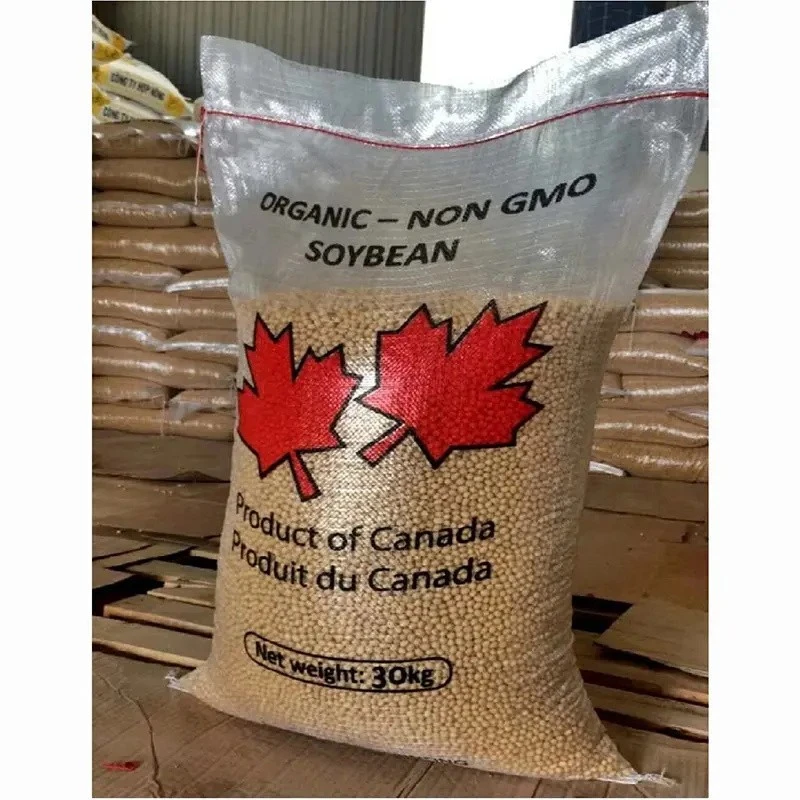
Plain woven PP bags are widely used in various industries for packaging purposes. They can be found in agriculture for storing grains and seeds, in the construction industry for carrying cement and sand, and in the food industry for packaging rice, flour, and other dry goods. Their versatility, affordability, and recyclability make them a popular choice among businesses worldwide.
Measuring the Thickness of Plain Woven PP Bags
The thickness of plain woven PP bags is typically measured in grams per square meter (gsm) or microns. Gsm is a common unit used to describe the weight of the fabric per unit area, while microns refer to the actual thickness of the material.
- Grams per Square Meter (gsm): This measurement indicates the weight of the polypropylene fabric used to make the bag. A higher gsm value generally means a thicker and more durable bag. For example, a 80 gsm plain woven PP bag will be thinner and lighter than a 120 gsm bag. The gsm can vary depending on the specific requirements of the application. Bags used for lightweight products may have a lower gsm, while those for heavy-duty items will require a higher gsm.
- Microns: Microns are a direct measurement of the thickness of the polypropylene film or fabric. One micron is equal to one-thousandth of a millimeter. While gsm gives an idea of the overall weight and density of the material, microns provide a more precise measurement of its physical thickness.
Factors Affecting the Thickness of Plain Woven PP Bags
Several factors can influence the thickness of plain woven PP bags:
- Intended Use: The application for which the bag will be used is a major determinant of its thickness. For instance, PP Woven Asbestos Disposal Bags need to be thick and strong to safely contain hazardous materials. On the other hand, bags used for packaging small items like nuts and bolts may not require as much thickness.
- Product Weight: The weight of the product being packaged is another important factor. Heavier products will put more stress on the bag, so a thicker bag is necessary to prevent tearing or breaking. For example, Animal Feed Packaging Bags need to be thick enough to withstand the weight of the feed and any handling during transportation.
- Transportation and Storage Conditions: If the bags will be exposed to rough handling, long-distance transportation, or harsh storage conditions, a thicker bag is recommended. Thicker bags are more resistant to abrasion, punctures, and environmental factors such as moisture and UV radiation.
Common Thicknesses for Different Applications
Here are some common thicknesses of plain woven PP bags used in various industries:
- Light-Duty Applications: For packaging lightweight items such as stationery, small consumer goods, or promotional materials, bags with a thickness of 40 - 60 gsm or 20 - 30 microns are often sufficient. These bags are cost-effective and easy to handle.
- Medium-Duty Applications: In industries like agriculture for packaging seeds, fertilizers, or small quantities of grains, bags with a thickness of 60 - 100 gsm or 30 - 50 microns are commonly used. They provide a good balance between strength and cost.
- Heavy-Duty Applications: For heavy products like cement, sand, or large quantities of grains, bags with a thickness of 100 - 200 gsm or 50 - 100 microns are required. These bags are designed to withstand the weight and stress of the contents and are more durable during transportation and storage.
Importance of Choosing the Right Thickness
Selecting the appropriate thickness for your plain woven PP bags is crucial for several reasons:
- Product Protection: A bag that is too thin may not provide adequate protection for your product. It could tear easily, allowing the contents to spill or be damaged. On the other hand, a bag that is too thick may be overkill and increase your packaging costs unnecessarily.
- Cost-Effectiveness: By choosing the right thickness, you can optimize your packaging costs. You don't want to pay for more material than you need, but you also don't want to risk product damage due to a thin and flimsy bag.
- Environmental Impact: Using the right thickness can also have an environmental impact. Thicker bags may require more raw materials and energy to produce, while thinner bags can be more sustainable if they meet the product's protection requirements.
Our Range of Plain Woven PP Bags
As a supplier of plain woven PP bags, we offer a wide range of thicknesses to meet the diverse needs of our customers. Whether you need Food-Grade Woven Polypropylene Bag for the food industry or heavy-duty bags for construction materials, we've got you covered.
Our bags are made from high-quality polypropylene materials and are manufactured using advanced weaving techniques to ensure consistent thickness and strength. We can customize the bags according to your specific requirements, including size, color, printing, and thickness.

Conclusion
The thickness of plain woven PP bags is an important consideration when choosing the right packaging solution for your products. By understanding the different measurement units, factors affecting thickness, and common thicknesses for various applications, you can make an informed decision.
If you're in the market for plain woven PP bags and need help selecting the appropriate thickness for your needs, don't hesitate to reach out. We're here to assist you and provide you with the best packaging solutions at competitive prices. Let's start a conversation and find the perfect plain woven PP bags for your business!
References
- Packaging Institute International. (2023). Handbook of Packaging Materials.
- Polypropylene Manufacturers Association. (2023). Technical Guide to Polypropylene Products.


