

Printing on PP woven bags is a crucial aspect that not only enhances brand visibility but also provides essential product information. As a seasoned PP woven bags supplier, I understand the diverse needs of our clients and the importance of offering a wide range of printing options. In this blog, I'll delve into the various printing methods available for PP woven bags, their advantages, and suitable applications.
Flexographic Printing
Flexographic printing, often referred to as flexo printing, is one of the most popular methods for printing on PP woven bags. This process involves using a flexible relief plate to transfer ink onto the bag's surface. The plate is made of rubber or photopolymer and is mounted on a rotating cylinder. As the cylinder rotates, it picks up ink from an anilox roller and transfers it to the bag.

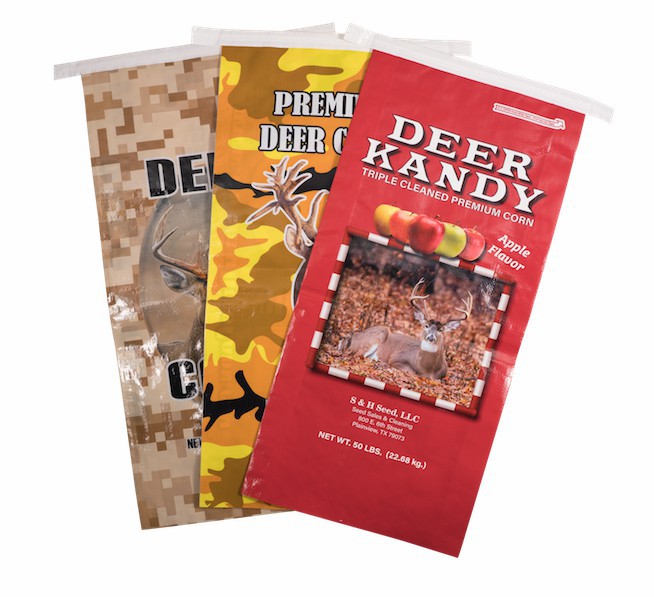
One of the key advantages of flexographic printing is its high-speed production capabilities. It can print large quantities of bags quickly and efficiently, making it ideal for mass production. Additionally, flexo printing can handle a wide range of ink types, including water-based, solvent-based, and UV-curable inks. Water-based inks are environmentally friendly and are commonly used for food packaging applications, while solvent-based inks offer excellent durability and color vibrancy.
Flexographic printing also allows for high-quality printing with sharp images and clear text. It can reproduce detailed graphics, logos, and barcodes with precision. This makes it a preferred choice for brands that want to make a strong visual impact with their packaging. However, the initial setup cost for flexo printing can be relatively high, as it requires the creation of custom printing plates. But for large production runs, the cost per bag is significantly reduced.
PP Woven Heavy Duty Bulk Bags are often printed using flexographic printing due to their large surface area and the need for clear, long-lasting printing. This method ensures that the printing remains intact even under rough handling and exposure to various environmental conditions.
Gravure Printing
Gravure printing is another widely used method for printing on PP woven bags. In this process, the image to be printed is engraved onto a copper cylinder. The cylinder is then immersed in an ink bath, and the excess ink is wiped off, leaving ink only in the engraved areas. As the bag passes between the engraved cylinder and a pressure roller, the ink is transferred from the cylinder to the bag.
Gravure printing is known for its exceptional print quality and consistency. It can produce extremely detailed and high-resolution images with smooth color gradients. This makes it suitable for printing intricate designs, photographs, and high-end packaging. The print durability is also excellent, as the ink is deeply embedded into the bag's surface.
One of the main advantages of gravure printing is its ability to print on a variety of substrates, including PP woven bags with different surface textures. It can also handle a wide range of ink viscosities, allowing for greater flexibility in ink selection. However, gravure printing has a relatively high setup cost, as the engraving of the printing cylinders is a complex and time-consuming process. Additionally, the production speed is slower compared to flexographic printing, which may not be suitable for large-scale, high-volume orders.
Coated PP Woven Bag are often printed using gravure printing to enhance the visual appeal and protect the printing from wear and tear. The coating on the bag provides a smooth surface for better ink transfer and improves the overall durability of the print.
Screen Printing
Screen printing is a traditional printing method that is still widely used for printing on PP woven bags, especially for small to medium-sized orders. In this process, a stencil (screen) is created with the desired image or text. Ink is then forced through the screen onto the bag using a squeegee.
One of the main advantages of screen printing is its simplicity and low setup cost. It does not require expensive printing equipment or custom plates, making it a cost-effective option for small production runs. Screen printing also allows for the use of thick inks, which can create a raised or textured effect on the bag's surface. This can add a unique and tactile element to the packaging.
However, screen printing has some limitations. It is not suitable for printing highly detailed or complex images, as the resolution is relatively low compared to flexographic and gravure printing. The production speed is also slower, as each color requires a separate screen and printing pass. This makes it less efficient for large-scale production.
Screen printing is often used for printing simple logos, text, and basic graphics on Polypropylene Laminated Woven Bag. The laminated surface provides a smooth and stable base for the ink to adhere to, ensuring a clear and durable print.
Digital Printing
Digital printing is a relatively new and innovative printing method that is gaining popularity in the PP woven bag industry. This process uses digital files to directly print the image or text onto the bag without the need for printing plates. Instead, the printer sprays tiny droplets of ink onto the bag's surface using inkjet technology.
One of the main advantages of digital printing is its flexibility and quick turnaround time. It can print small quantities of bags with different designs or variable data, such as barcodes and serial numbers, without any setup costs. This makes it ideal for short-run production, promotional campaigns, and customized packaging. Digital printing also allows for easy design changes and modifications, as the digital files can be easily edited.
The print quality of digital printing is also high, with sharp images and vibrant colors. It can reproduce complex designs and gradients with precision. However, digital printing has a relatively high cost per bag, especially for large production runs. The ink used in digital printing may also have limited durability compared to traditional printing methods, which may not be suitable for bags that will be exposed to harsh environmental conditions.
Considerations for Choosing a Printing Method
When choosing a printing method for PP woven bags, several factors need to be considered:
- Production Volume: For large-scale production, flexographic or gravure printing may be more cost-effective, while digital printing is better suited for small to medium-sized orders.
- Print Quality: If high-resolution images and detailed graphics are required, gravure or digital printing may be the best options. Screen printing is suitable for simple designs, while flexographic printing offers a good balance between quality and cost.
- Ink Durability: Depending on the intended use of the bag, the durability of the ink is an important consideration. Gravure and flexographic printing generally offer better ink durability compared to digital printing.
- Environmental Impact: If environmental concerns are a priority, water-based inks used in flexographic and digital printing are a more sustainable option.
- Budget: The setup cost, production cost per bag, and overall budget should be taken into account when choosing a printing method.
Conclusion
As a PP woven bags supplier, we offer a wide range of printing options to meet the diverse needs of our clients. Whether you need high-volume production with cost-effective printing or customized packaging with unique designs, we have the expertise and technology to deliver. Our team of professionals can help you choose the most suitable printing method based on your specific requirements and budget.
If you're interested in learning more about our PP woven bags and printing services, or if you have a specific project in mind, please don't hesitate to contact us. We're here to assist you in creating the perfect packaging solution for your products.
References
- Packaging Machinery Manufacturers Institute. (2023). Printing Technologies for Flexible Packaging.
- Smith, J. (2022). The Future of Printing on Plastic Bags. Journal of Packaging Science and Technology.


