

When it comes to chemical packaging, safety is of utmost importance. As a supplier of PP Plain Leno Bags, I understand the critical role these bags play in safely containing and transporting various chemicals. PP Plain Leno Bags are widely used in the chemical industry due to their durability, flexibility, and cost - effectiveness. However, to ensure the safe use of these bags for chemical packaging, several safety precautions must be taken.
Material Compatibility
The first and most fundamental safety precaution is to ensure that the PP (Polypropylene) material of the plain leno bags is compatible with the chemicals being packaged. Different chemicals have different chemical properties, such as acidity, alkalinity, and reactivity. Some chemicals may react with polypropylene, causing the bag to degrade, leak, or even pose a safety hazard.
For example, strong oxidizing agents or certain solvents may have a negative impact on the integrity of PP bags. Before using our PP Plain Leno Bags for a particular chemical, it is essential to conduct compatibility tests. These tests can be carried out in a laboratory environment, where small samples of the bag material are exposed to the chemical under controlled conditions. If any signs of degradation, such as discoloration, softening, or loss of strength, are observed, alternative packaging materials should be considered.
Quality Assurance of Bags
As a supplier, we adhere to strict quality control measures to ensure the reliability of our PP Plain Leno Bags. However, customers also need to inspect the bags upon receipt. Check for any visible defects, such as holes, tears, or weak seams. A damaged bag can lead to chemical leakage, which is extremely dangerous.
The thickness and strength of the bag are also crucial factors. For heavier or more hazardous chemicals, we recommend using bags with a higher density and thicker mesh. Our Heavy - duty Agricultural Mesh Produce Bag can be a good option in such cases, as it is designed to withstand greater stress and weight. This type of bag is made with a stronger polypropylene material and has a more robust mesh structure, providing better protection for the chemicals inside.
Proper Filling and Sealing
Proper filling and sealing of the PP Plain Leno Bags are essential for chemical safety. Overfilling the bags can put excessive stress on the material, increasing the risk of tearing or bursting. It is important to follow the recommended filling capacity provided by the supplier.

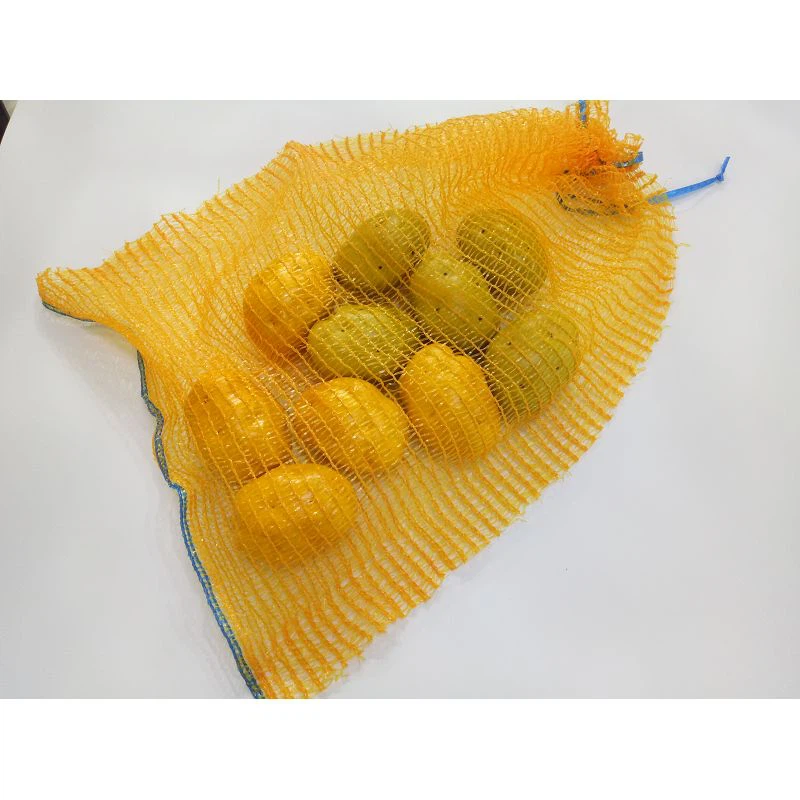
When filling the bags, ensure that the chemicals are evenly distributed to prevent uneven stress on the bag. After filling, the bags must be sealed properly. There are various sealing methods available, such as heat sealing or using ties. Heat sealing provides a more secure and air - tight seal, which is especially important for volatile or reactive chemicals. However, it requires specialized equipment. If heat sealing is not feasible, using high - quality ties can also be an effective alternative. Make sure the ties are tight enough to prevent the bag from opening during handling and transportation.
Labeling and Identification
Clear and accurate labeling is a must for chemical packaging. Each PP Plain Leno Bag should be labeled with information about the chemical inside, including its name, hazard class, handling instructions, and emergency contact information. This information helps handlers and emergency responders to take appropriate actions in case of an accident.
In addition to the basic chemical information, the labels should also indicate the batch number and production date of the bag. This allows for traceability in case of any quality issues or recalls. Our Mesh Onion Bag With Label Brand can be customized with high - quality labels that are resistant to chemical corrosion and fading, ensuring that the information remains visible throughout the life of the bag.
Storage Conditions
Proper storage of PP Plain Leno Bags filled with chemicals is crucial to maintain their integrity. The storage area should be dry, well - ventilated, and away from direct sunlight. Exposure to moisture can weaken the polypropylene material, while sunlight can cause the material to degrade over time.
The storage temperature should also be controlled. Extreme temperatures can affect the physical properties of the bag and the chemicals inside. For example, high temperatures can cause the chemicals to expand, increasing the pressure inside the bag. On the other hand, low temperatures can make the bag material brittle. It is recommended to store the bags in a temperature - controlled environment within the range specified by the chemical manufacturer.
Handling and Transportation
During handling and transportation, special care must be taken to prevent damage to the PP Plain Leno Bags. Use appropriate handling equipment, such as forklifts or pallet jacks, to lift and move the bags. Avoid dragging or dropping the bags, as this can cause tears or punctures.
When transporting the bags, secure them properly to prevent shifting or falling. If the bags are being transported in a vehicle, use dividers or restraints to keep them in place. In addition, the vehicle should be clean and free of any contaminants that could react with the chemicals.
Employee Training
All employees involved in the handling, filling, and storage of PP Plain Leno Bags for chemical packaging should receive proper training. They should be educated about the properties of the chemicals, the correct use of the bags, and the safety procedures in case of an emergency.
Training should include practical demonstrations of filling, sealing, and handling the bags. Employees should also be trained on how to recognize the signs of a damaged bag and what to do in case of a chemical spill. Regular refresher courses should be provided to ensure that employees stay updated on the latest safety practices.
Emergency Preparedness
Despite taking all the necessary precautions, accidents can still happen. It is important to have an emergency preparedness plan in place. This plan should include procedures for dealing with chemical spills, fires, and other emergencies.
Emergency response equipment, such as spill kits, fire extinguishers, and personal protective equipment (PPE), should be readily available in the storage and handling areas. All employees should know how to use this equipment properly. In addition, there should be a clear communication plan in place to notify emergency responders in case of an accident.
Compatibility with Other Packaging Materials
In some cases, PP Plain Leno Bags may be used in combination with other packaging materials, such as inner liners or outer containers. It is important to ensure that these materials are compatible with each other and with the chemicals being packaged.
For example, if an inner liner is used, it should be made of a material that is resistant to the chemical and does not react with the polypropylene of the leno bag. Similarly, if an outer container is used for additional protection, it should be able to withstand the weight and stress of the filled bag without causing damage.
Regular Inspections
Regular inspections of the PP Plain Leno Bags during storage and transportation are essential. Inspect the bags for any signs of damage, such as leaks, tears, or changes in the material's appearance. If any issues are detected, the bags should be removed from service immediately and replaced with new ones.
In addition to visual inspections, it may also be necessary to conduct periodic testing of the bag material to ensure its continued integrity. This can include testing for strength, chemical resistance, and permeability.
In conclusion, using PP Plain Leno Bags for chemical packaging requires strict adherence to safety precautions. As a supplier, we are committed to providing high - quality bags and technical support to our customers. However, the safety of chemical packaging also depends on the proper handling and use of the bags by the customers. If you are interested in purchasing our PP Plain Leno Bags for chemical packaging, please feel free to contact us for more information and to discuss your specific requirements. We are here to help you ensure the safe and efficient packaging of your chemicals.
References
- "Chemical Packaging Handbook", published by Chemical Packaging Association.
- "Safety Guidelines for Polypropylene Packaging in Chemical Industry", research report from a leading chemical research institute.


